


7 Ways LASIK Can Improve Your Daily Life in Fort Worth
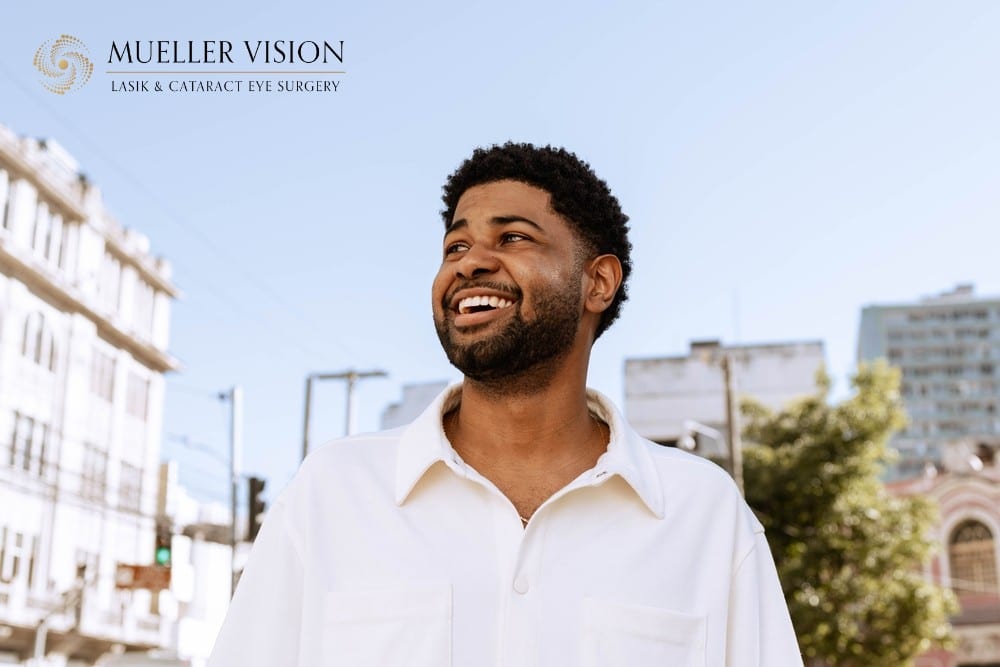
There’s a moment most LASIK patients describe in almost the same words, and it usually happens the morning after surgery. They open their eyes, and the ceiling is sharp, the clock across the room reads clearly, and the reflex of reaching for glasses on the nightstand doesn’t fire.
For many people, it’s the first time in years or decades that their day has started without a small piece of equipment. And while that first morning tends to be the moment people remember, it’s really just a preview of how the rest of the routine starts to feel once the eyewear is gone.
Here are seven ways LASIK surgery changes the texture of daily life in Fort Worth.
1. Mornings Without the Routine

Contact lens wearers typically spend several minutes each morning inserting lenses, dealing with irritation, or searching for a lens that has folded inside the case. Glasses wearers have their own version: locating them, cleaning smudges, and adjusting to fogging every time the temperature shifts.
Over the course of a year, that adds up to hours of minor but persistent frustration.
After LASIK, that routine disappears. You wake up seeing clearly, and the rest of the morning moves faster.
2. Clearer Vision Behind the Wheel
Driving in Fort Worth means navigating busy highways, often at night or in conditions where glare is a real factor. For people with uncorrected astigmatism in particular, oncoming headlights and streetlights can produce halos and starburst effects that make nighttime driving genuinely uncomfortable.
LASIK corrects the underlying refractive error that creates these distortions. Many patients report a noticeable improvement in nighttime visual clarity within the first week after surgery. Clear, stable vision while driving is one of those daily benefits that patients notice every single commute.
3. More Freedom for Outdoor and Active Life
Fort Worth has a lot going on outdoors. The Trinity Trails run for miles, the Panther Island Pavilion draws crowds to the water, and there are sports leagues, golf courses, and open parks across the city. All of that is more accessible when you’re not managing eyewear.
Glasses slide during a run, fog up on a humid morning, and fall off in the water. Contacts dry out in the heat and wind, require clean hands to handle, and carry infection risk when worn near lakes or pools.
After LASIK, none of that applies. You can move through outdoor activities without eyewear as a variable. Athletes who play recreational sports in Fort Worth consistently cite freedom of movement as one of the top quality-of-life gains after surgery.
4. Better Performance at Work

A large portion of patients spend hours a day in front of screens. Glasses create their own friction here: they pick up glare, require anti-reflective coatings that wear out, and cause discomfort when worn with safety equipment or headsets. Contacts contribute to digital eye strain when worn for long hours, particularly in dry office environments.
After LASIK, vision is stable and unmediated. There’s no frame cutting across your field of view, no lens fogging when you walk between environments, and no dryness building through the afternoon from extended contact lens wear. For people in professions that demand sharp focus, clear unaided vision reduces one category of daily friction entirely.
5. Travel Without the Checklist
Packing for a trip with contact lenses involves a longer checklist than most people realize: lens case, solution, backup pairs, prescription glasses in case of infection, and enough supply to cover delays. Losing any one of those items mid-trip creates a real problem, especially internationally, where your brand of solution may not be available. After LASIK, vision correction doesn’t need to be part of the travel plan.
6. More Comfortable in Social Situations
This benefit is harder to quantify but consistently significant for patients. Glasses change how you look, and for many people, that connection to their appearance matters. Some people feel more like themselves without them.
There’s also a practical dimension. Sunglasses become straightforward again. You pick any pair you want, off-the-shelf, without worrying about prescription versions or clip-on attachments. Sporting events, beach days, and time on the water are simpler when sun protection is just a $20 pair of sunglasses from any convenience store.
Dr. Brett Mueller at Mueller Vision takes time during consultations to understand how vision correction fits into a patient’s lifestyle, including these day-to-day quality-of-life factors, before recommending a procedure.
7. Long-Term Financial Relief

The upfront cost of LASIK is real, but the recurring cost of corrective lenses is often underestimated.
New glasses frames, lens replacements, annual contact lens supplies, cleaning solutions, and backup pairs add up to several hundred dollars per year for most people.
LASIK is an investment that typically pays for itself within a few years when compared to ongoing eyewear expenses.
It’s also worth knowing that LASIK is not the only path to vision correction. Patients with thinner corneas or higher prescriptions who are not candidates for LASIK may be well-suited for PRK or EVO ICL, both of which Mueller Vision offers. Patients with pre-existing dry eye are evaluated carefully before any recommendation is made, since dry eye can affect both candidacy and recovery outcomes.
The right procedure is the one that fits your eyes, your lifestyle, and your long-term goals, and that determination starts with a thorough evaluation.
Ready to find out if LASIK is the right fit for your eyes and your life in Fort Worth? Schedule an appointment at Mueller Vision in Fort Worth, TX.